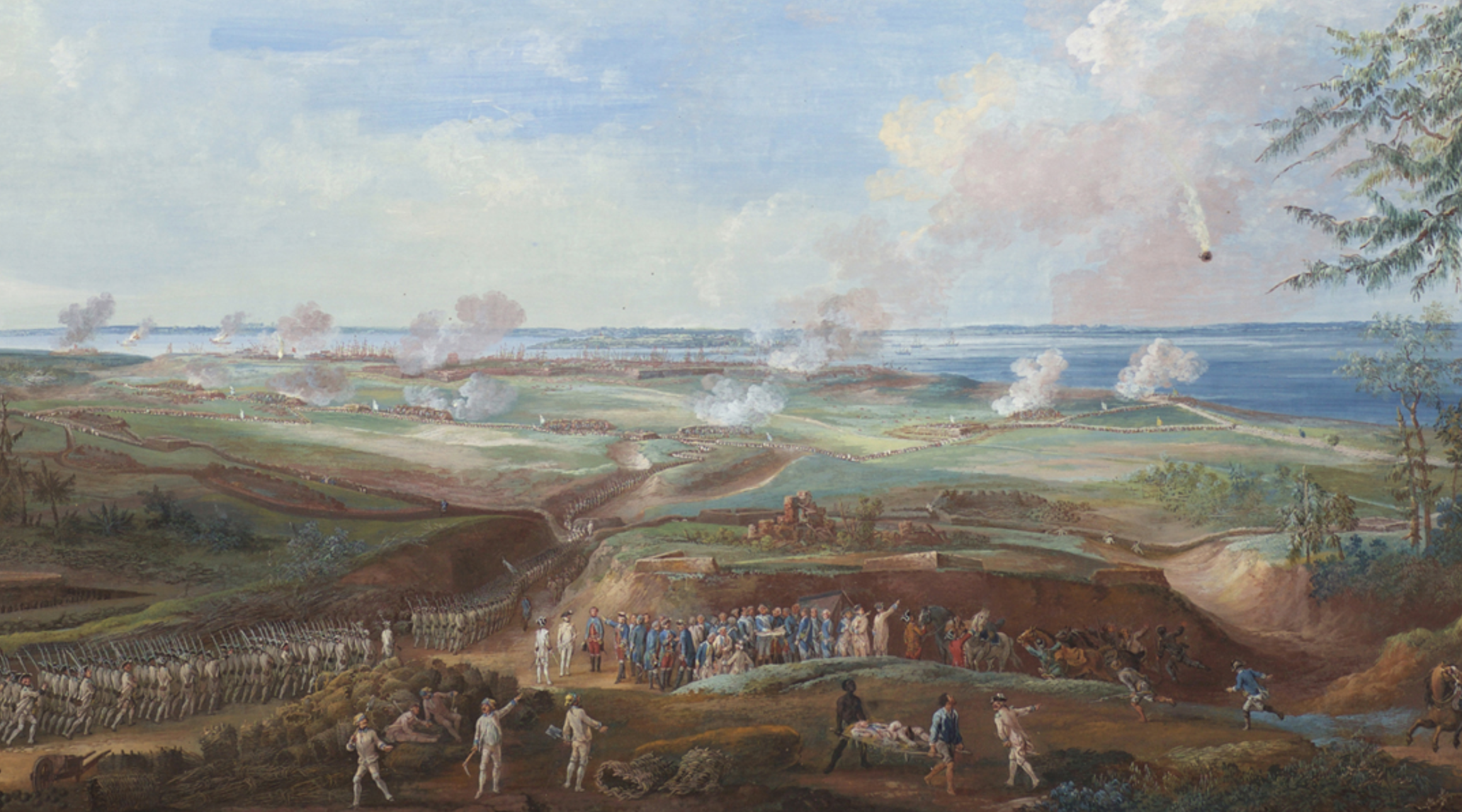
Louis Nicholas Van Blarenberghe, Siege of Yorktown, 1786. Gouache on panel. Courtesy of a Private Collection
Washington’s Greatest Victory: Yorktown and American Art
Jul 02, 2026 – Oct 11, 2026
In 1781, the Siege of Yorktown secured George Washington’s greatest military victory and effectively ended the Revolutionary War. Because Yorktown was a siege rather than a dramatic battle, artists have long faced the challenge of how to represent its significance in visual art. Over time, they turned to portraits, landscapes, battle scenes, and commemorative images to capture the meaning of this pivotal moment.
Organized in collaboration with George Washington’s Mount Vernon and presented in celebration of the 250th anniversary of American independence, Washington’s Greatest Victory: Yorktown and American Art explores how artists have interpreted Yorktown and shaped its place in national memory.


EXHIBITION PREVIEW
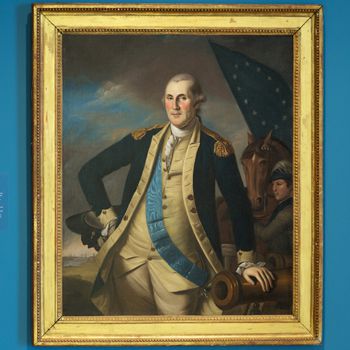
Charles Wilson Peale, George Washington at Yorktown, ca. 1780-1782. Oil on canvas. Courtesy of a Private Collection.
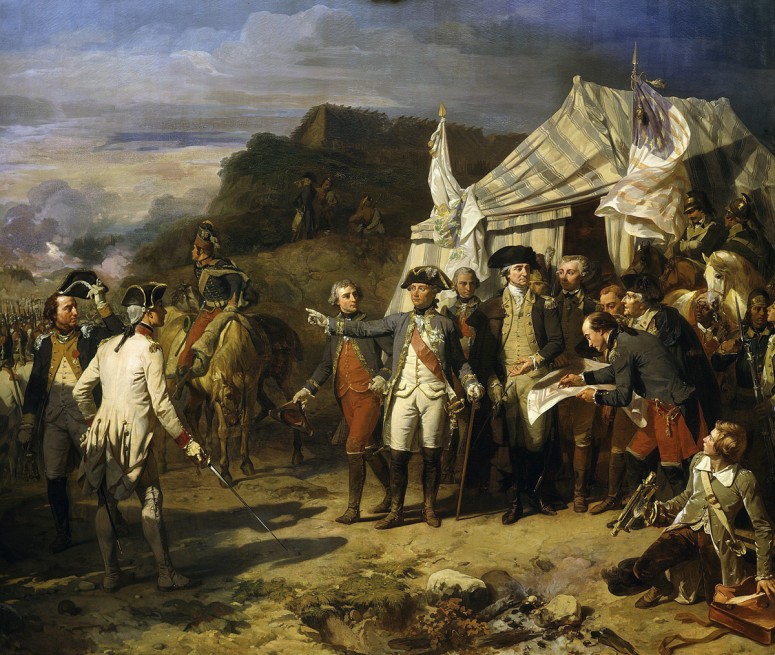
Louis-Charles-Auguste Couder, Study for the Siege of Yorktown, 1836. Oil on canvas. George Washington’s Mount Vernon, purchased by the A. Alfred Taubman Acquisition Endowment Fund, 2019 Conservation courtesy of The Founders, Washington Committee Endowment Fund.
KEEP EXPLORING
Opening Day for American Made: Paintings and Sculpture from the DeMell Jacobsen Collection
View Exhibit
Member Preview Day – American Made: Paintings and Sculpture from the DeMell Jacobsen Collection
View Exhibit