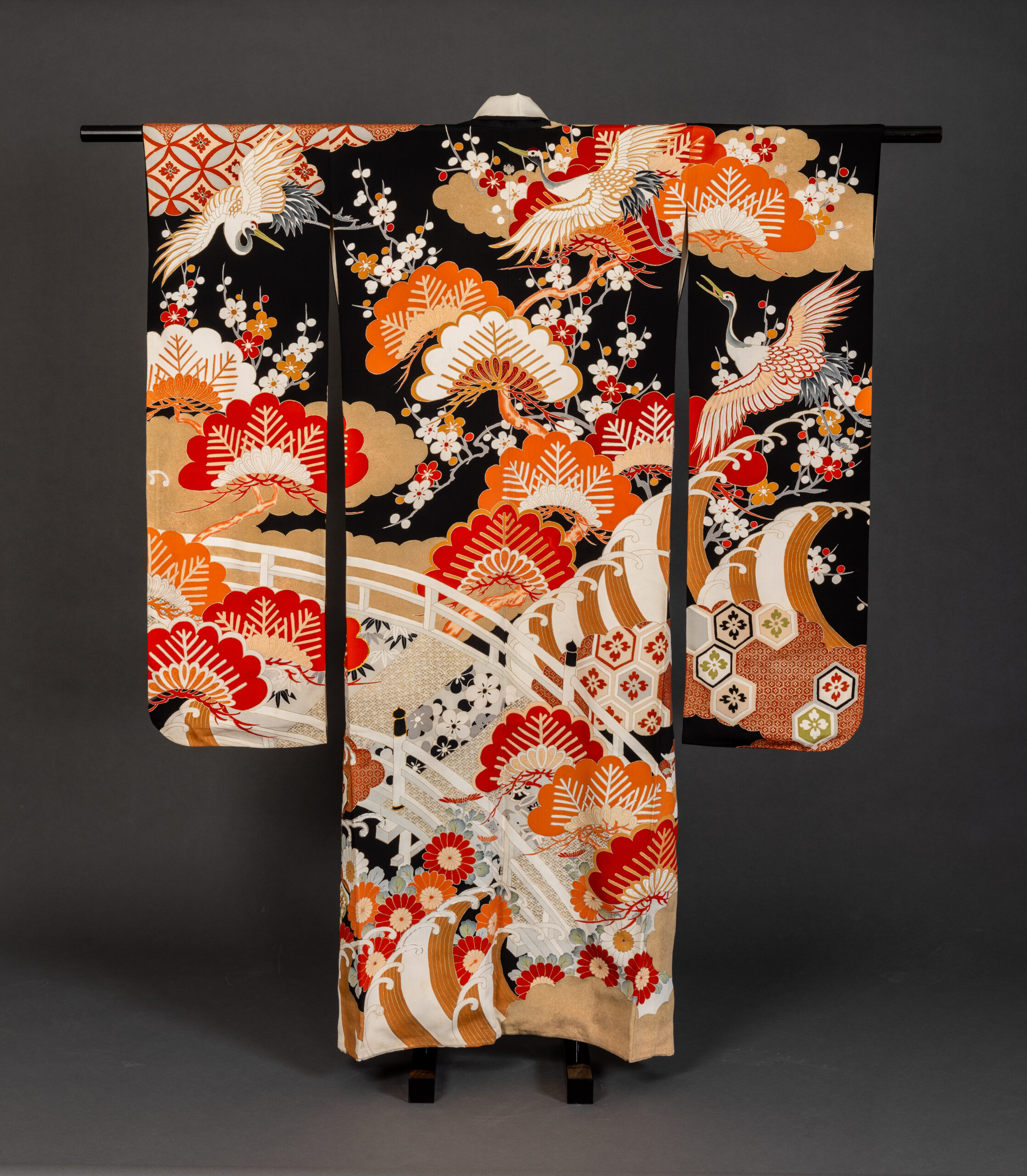
Unknown, Furisode (“Swinging Sleeves” Kimono) with Auspicious Design, Marital Status/Celebration (Communicator/Messaging), Japan, Showa period (1926 – 1989), silk with yuzen stencil-dyed designs, 68.25″ x 50.25″, Image courtesy of International Arts & Artists, Photograph by Dan Myers.
Kimono: Garment, Canvas, and Artistic Muse
Feb 25, 2027 – May 23, 2027
The Japanese kimono is one of the world’s most admired garments—an instantly recognizable robe with a tall “T” form. The word kimono, meaning “a thing that is worn,” refers to many different types of robes, from ornate silk wedding uchikake to simpler cotton summer yukata.
Worn in Japan by both women and men for well over a thousand years, the kimono has often been a canvas for spectacular woven, dyed, painted, printed, and embroidered designs created by Japan’s finest textile artists. After the mid-nineteenth century, when Japan opened to foreign diplomacy and trade with the United States and Europe, the kimono also became beloved in the West: a subject for painters and an inspiration for fashion designers.
In recent decades, the influence of the kimono has reached beyond fashion, and a number of contemporary artists from around the world are creating kimono-inspired works in such diverse media as paper, fiber, metal, glass, and ceramics.
This exhibition explores the kimono as a traditional Japanese garment; a canvas for spectacular design, symbolism, and messaging; and as a muse for the works of ten important contemporary artists: Miya Ando, Kristine Aono, CAMY, Gordon Chandler, Reiko Fujii, Karen LaMonte, Peter Liashkov, Maria Papatzelou, Michael F. Rohde, and Na Omi Shintani.
The extraordinary works of painting, sculpture, and fiber art of these international artists have all been inspired in fascinating ways by this iconic garment.

EXHIBITION PREVIEW
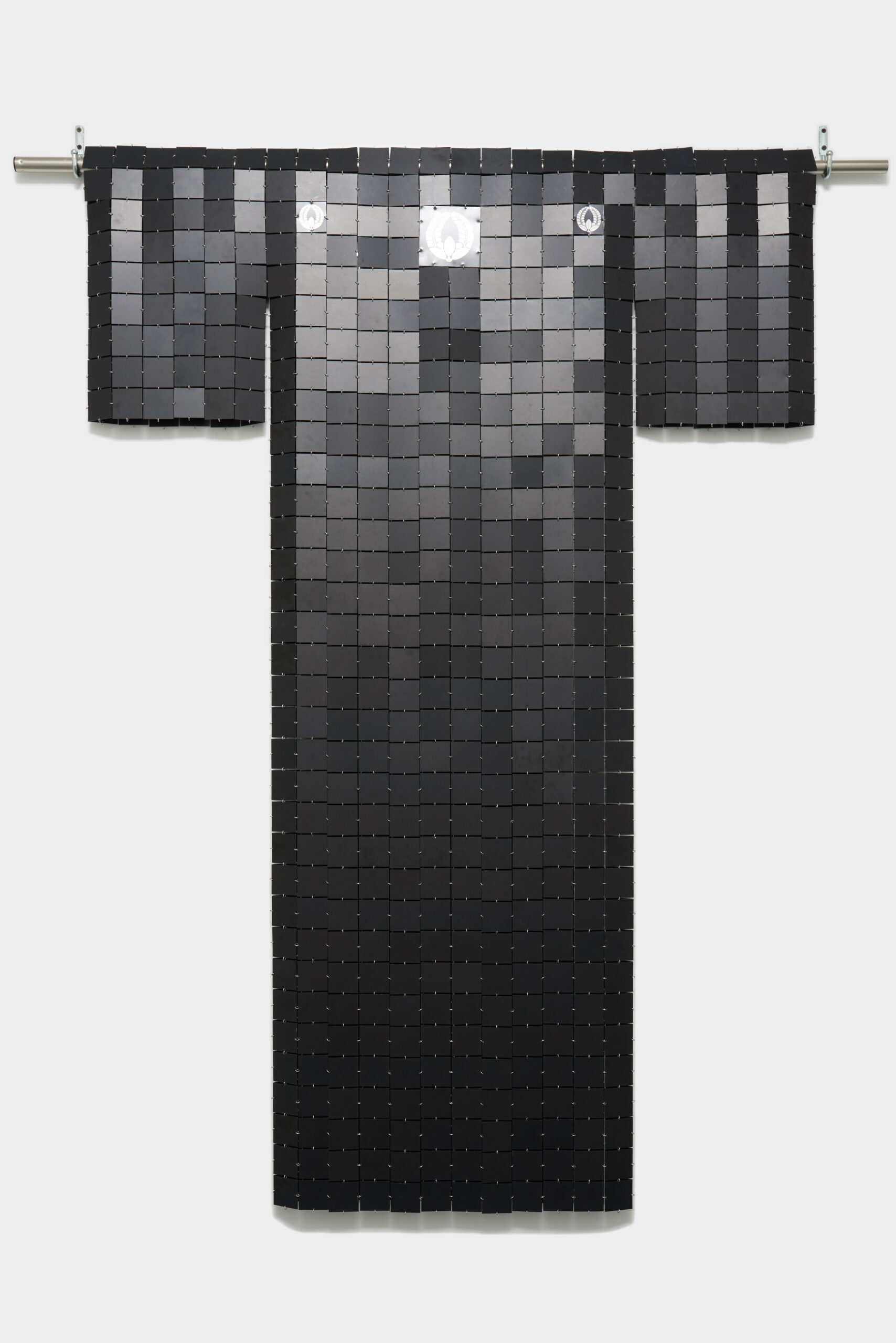
Miya Ando, Mofuko (Formal Mourning Kimono), 2024, Dyed Anodized Aluminum, Steel Rings, 71”x 48 ½” x 1 ½”, Image courtesy of Miya Ando, © Miya Ando
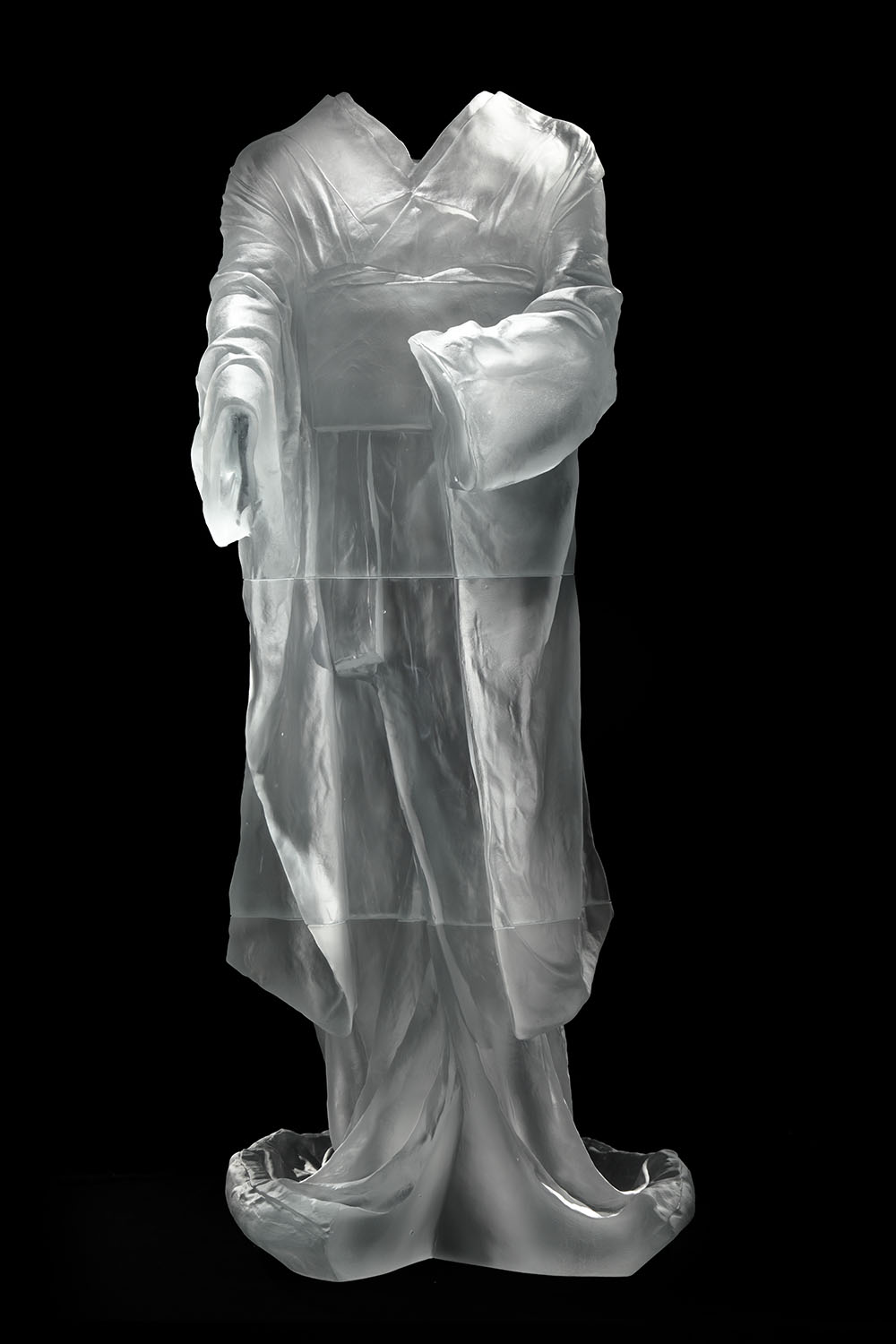
Karen LaMonte, 美人Bijin (Beautiful Person), 2013, Cast glass, 52 ¾” x 21 ½” x 26 ¼”, Photographed by Martin Polak, Image courtesy of Karen LaMonte, © Karen LaMonte
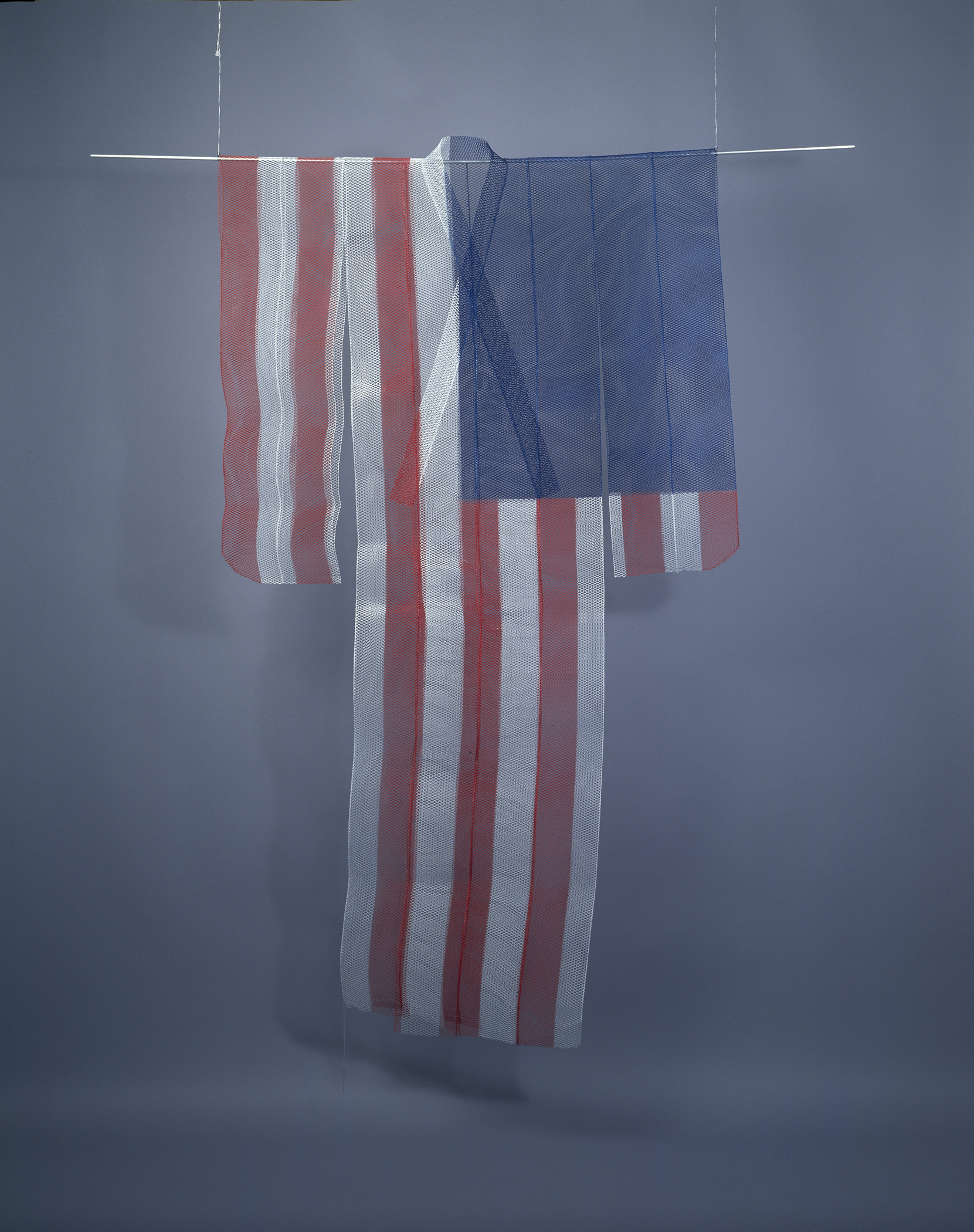
Kristine Aono, Flag Kimono, 1993, Wire mesh, thread, sewing needle, paint, aluminum rod, wire, 93” x 72” x 6”, Photographed by Jakrarat “Oi” Veerasarn, Image courtesy of Kristine Aono, © Kristine Aono
KEEP EXPLORING
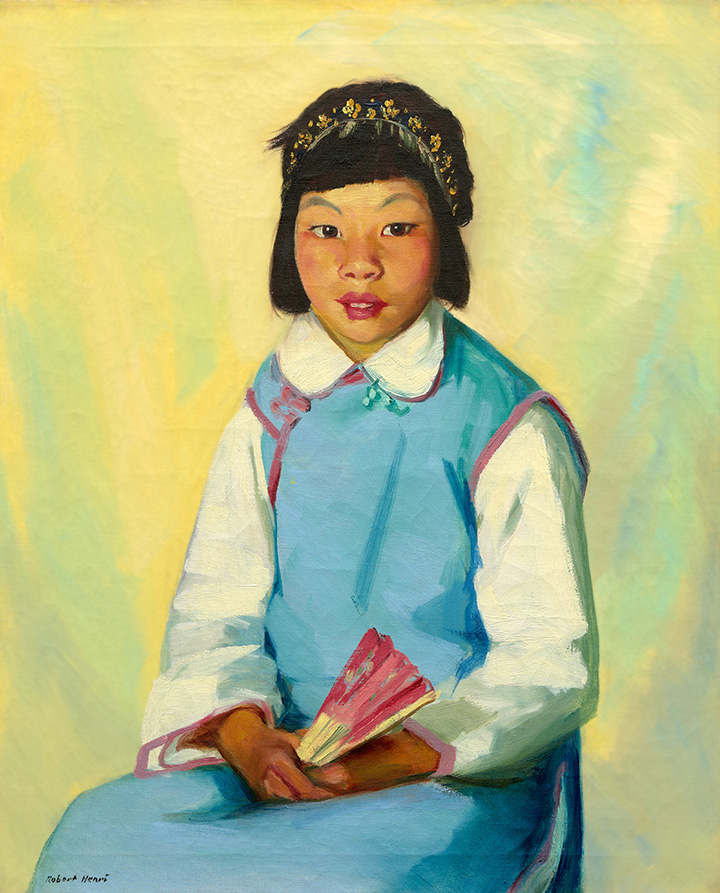
Member Preview Day – American Made: Paintings and Sculpture from the DeMell Jacobsen Collection
View Exhibit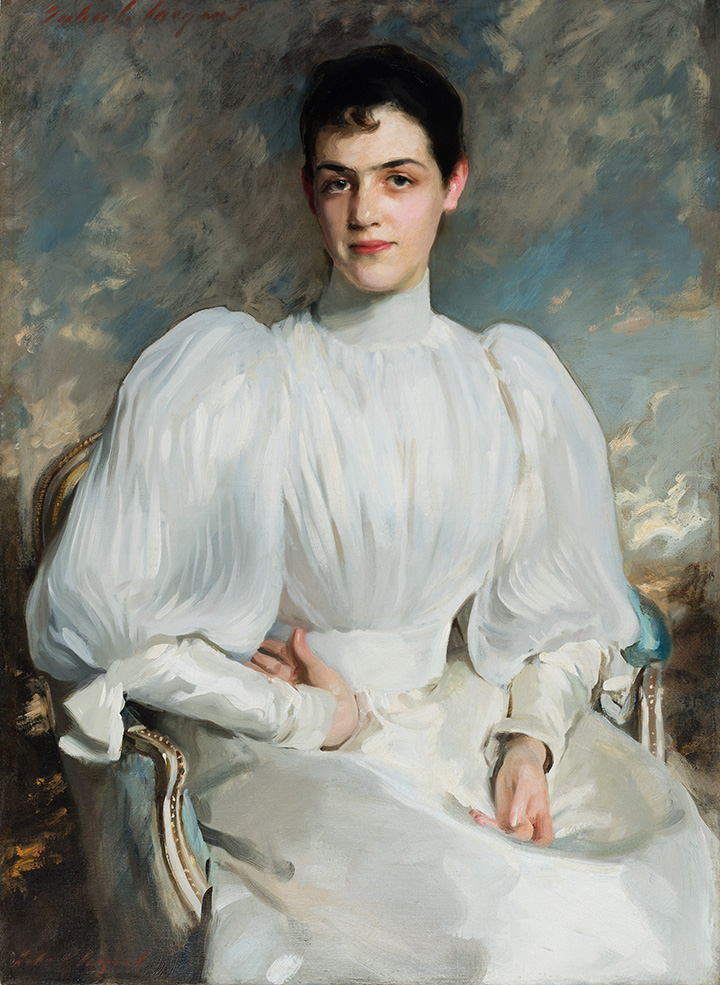
American Made: Paintings and Sculpture from the DeMell Jacobsen Collection
View Exhibit